Out of Sight, in Control: Why EO/IR Systems Are Surpassing Radar in the Modern Battlespace
Radar has long been a critical component of modern warfare, a cornerstone of air defense, missile defense, and wide-area surveillance. But as the electromagnetic spectrum grows more contested, radar’s active emissions are increasingly targeted by electronic warfare, exposing control systems to jamming, spoofing, and geolocation.
Electro-optical/infrared (EO/IR) systems, by contrast, operate passively, detecting without broadcasting. From unmanned aircraft systems and space force payloads to armored fighting vehicles and ground-based towers, EO/IR platforms now offer advanced sensors, real-time intelligence, and stealth—everything radar cannot guarantee in today’s complex missions.
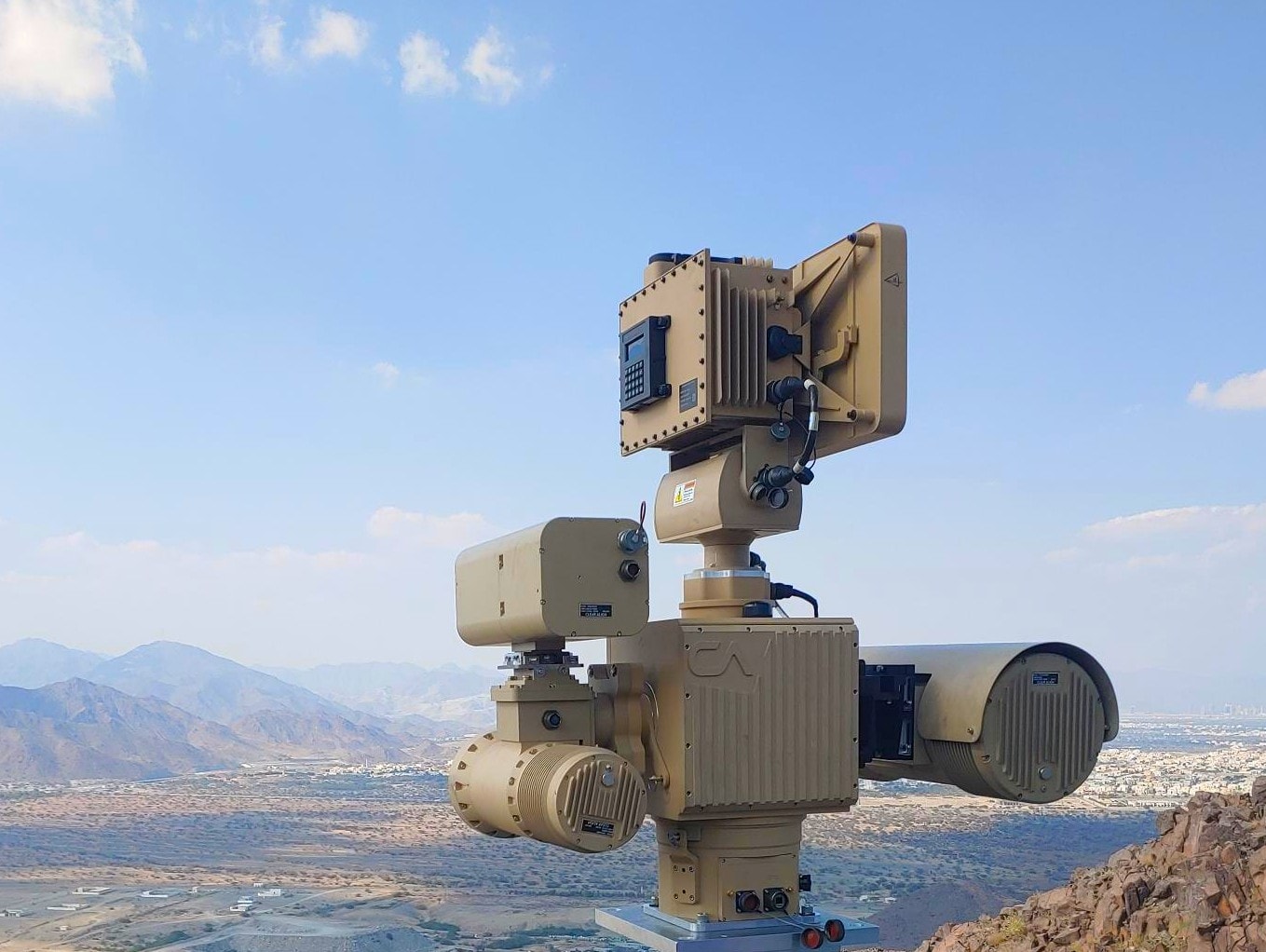
Air Defence: Why UAS Threats Demand Fusion of Radar and EO/IR in More Advance Imaging Systems
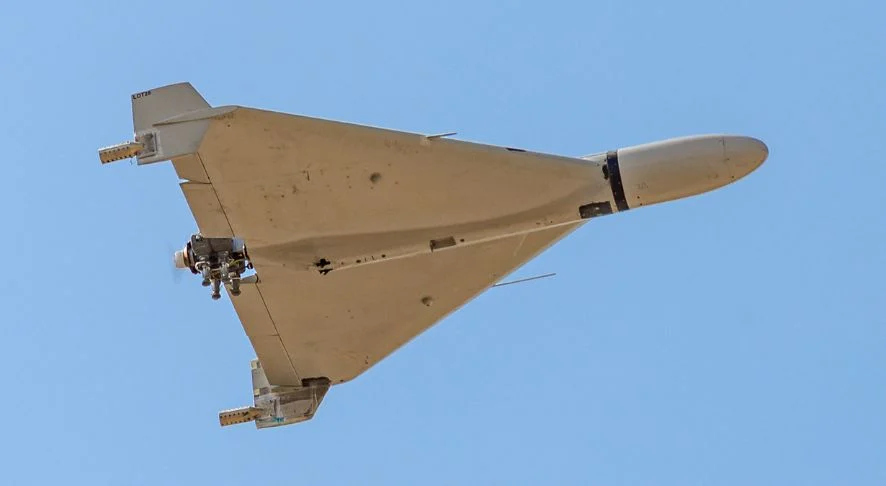
The rise of unmanned aerial systems (UAS) is driving an urgent need for layered sensing—fusing radar and EO/IR—to track, classify, and defeat threats with nuance. Advanced sensors compliment radar for improved situational awareness. Radar excels at long-range detection and early warning, especially against small or fast-moving drones, but it struggles to identify intent or payload. EO/IR, by contrast, delivers visual and thermal confirmation, enabling operators to distinguish between a hobbyist drone and a weaponized system. Together, they provide both reach and resolution—radar cues the target, EO/IR verifies and tracks it, and AI fuses the data to inform action. The subtlety lies in how these sensors complement each other: radar sees first, EO/IR sees clearly.
A Global Forecast for Sensors Becomes Reality in Military Operations
Major Countries across Asia Pacific, the Middle East, and NATO have taken note over the past decade. The global systems market for EO/IR is expected to grow from $8.9 billion in 2023 to $14.5 billion by 2033, according to Verified Market Reports.¹ Credence Research places the number even higher, projecting $20.43 billion by 2032.²
These investments reflect a broader pivot. India and South Korea are modernizing military platforms with EO/IR systems for air superiority and persistent surveillance. In the Middle East, defense forces rely on infrared EO/IR to track drones and detect radar absorbent materials in contested environments.

Across regional markets, the integration of short wave infrared and artificial intelligence is seen as a significant advancement in target acquisition and situational awareness.
“Asia-Pacific accounted for a significant share of the global market, owing to the region’s increasing defense budgets, territorial disputes, and the need for advanced military capabilities,” notes Grand View Research.³
Electronic Warfare - From Sensors to Decisions for Military Applications
EO/IR systems today are not just cameras—they are battlefield brains. Fused with machine learning and AI, they can identify potential threats, classify vehicles, and provide valuable intelligence to command and control systems in real time. They support high-speed decision making while minimizing bandwidth use, essential in military operations where time and stealth are paramount.
These technologies are increasingly central to electronic support measures and unmanned systems strategy. Deployed across drones, ISR assets, and other systems, EO/IR allows decision makers to act decisively based on precise data, even in deg
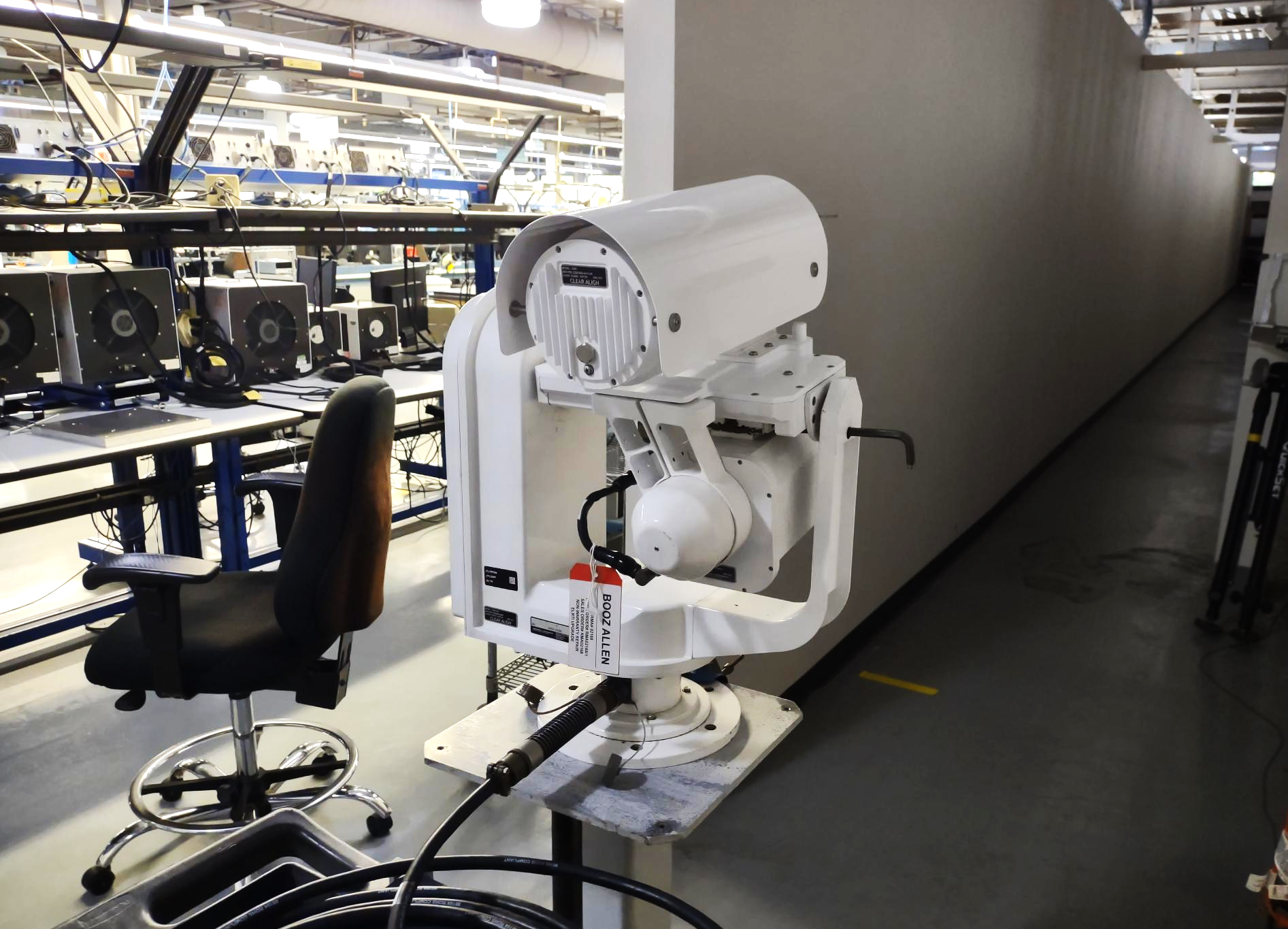
raded or signal-denied environments.
Challenges and a Way Forward in the Systems Technology Market
EO/IR is not without limitations for situational awareness and air defence. Harsh weather conditions, sensor calibration, and massive data processing demands challenge system performance. Supply chain disruptions, particularly in infrared sensors and critical components, can delay deployments.
But defense contractors like Clear Align are rapidly innovating, adding modularity, improving life cycle sustainment, and pushing new capabilities to the tactical edge. The result is a new generation of military electro-optical systems—purpose-built for the past year’s emerging threats and the next decade’s battles.
In the high-speed chessboard of modern warfare, EO/IR has become an invaluable asset. It is a key part of maintaining air superiority, enabling informed decisions, and outmaneuvering potential threats before the first shot is fired.
In short: EO/IR isn’t just keeping up—it’s quietly leading the way and future development of multi spectral solutions will bring new opportunity.
Sources:
-
Verified Market Reports – Military Electro-Optics Infrared Systems Market Forecast, 2024–2033
-
Credence Research – Military EO/IR Market Analysis, 2024–2032
-
Grand View Research – Asia-Pacific Defense Surveillance Trends, 2024